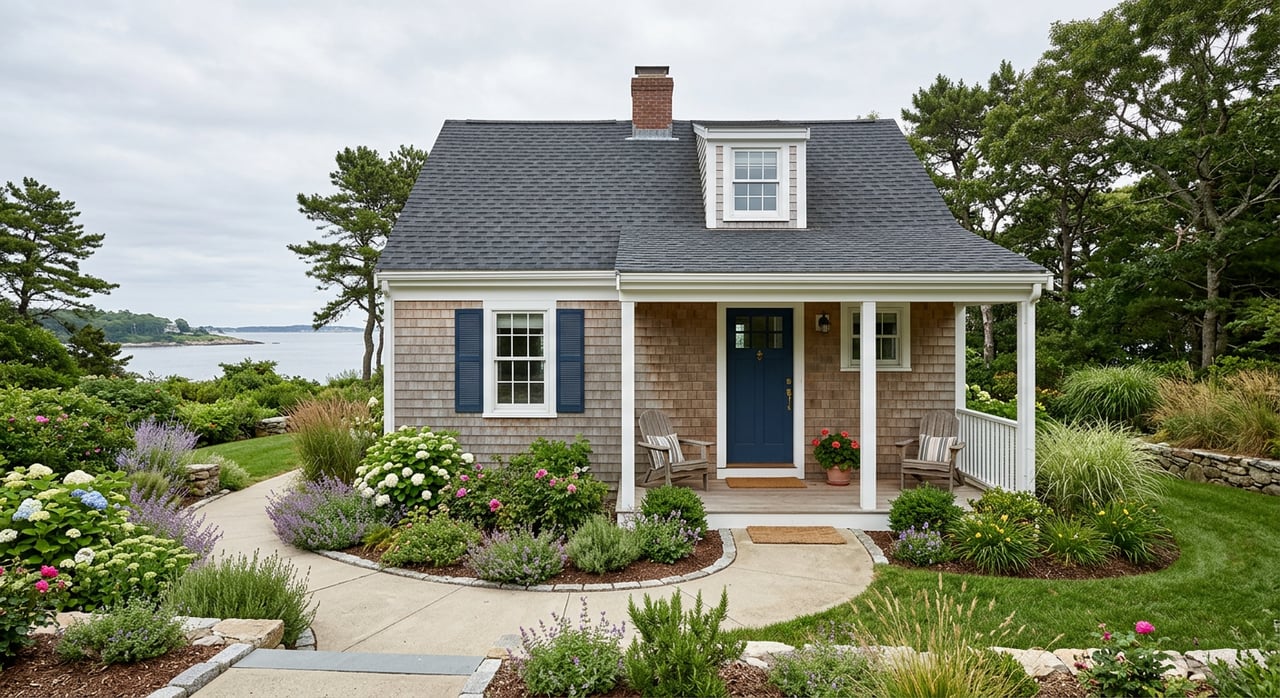
Picture morning walks along the Coastal Trail, coffee in hand, then heading back to a sunlit cottage with wood shingles and a cozy porch. If that sounds like your kind of Pacific Grove day, you’re not alone. Beach cottages here blend charm, walkability, and coastal access, but they also come with older systems, smaller lots, and extra permit layers. In this guide, you’ll learn what defines a Pacific Grove cottage, how to evaluate risks, and how to craft a smart offer with confidence. Let’s dive in.
Why Pacific Grove cottages appeal
Pacific Grove is a compact coastal city known for shoreline parks, a walkable small-town feel, and a remarkable collection of older cottages that shape its streetscapes. The town’s character and access to nature drive steady demand from buyers who value place and lifestyle over sheer square footage. The Pacific Grove Museum of Natural History offers a window into this local history and sense of place, which helps explain why cottages near the coast and town remain sought after (learn more about local context).
Walkable coast and parks
Many buyers aim to be close to Asilomar State Beach, Lover’s Point, and the multi-jurisdiction Coastal Trail that links Pacific Grove to Monterey and Cannery Row. Listings often highlight “walk to the beach and downtown,” and those proximity perks are real for many blocks in town. If walkability is a priority, map your daily routes to the shoreline or trail so you can judge access for yourself (see Asilomar State Beach).
Who buys here
Common buyer profiles include local move-up purchasers seeking a character home near town, second-home buyers drawn to the Peninsula’s coastal amenities, and some investors in permitted circumstances. The tradeoff is clear: you typically accept smaller lots and older systems in exchange for location, style, and that Pacific Grove vibe. Understanding these tradeoffs early helps you focus on cottages that truly fit your goals (local context reference).
What cottages look like
Common styles and features
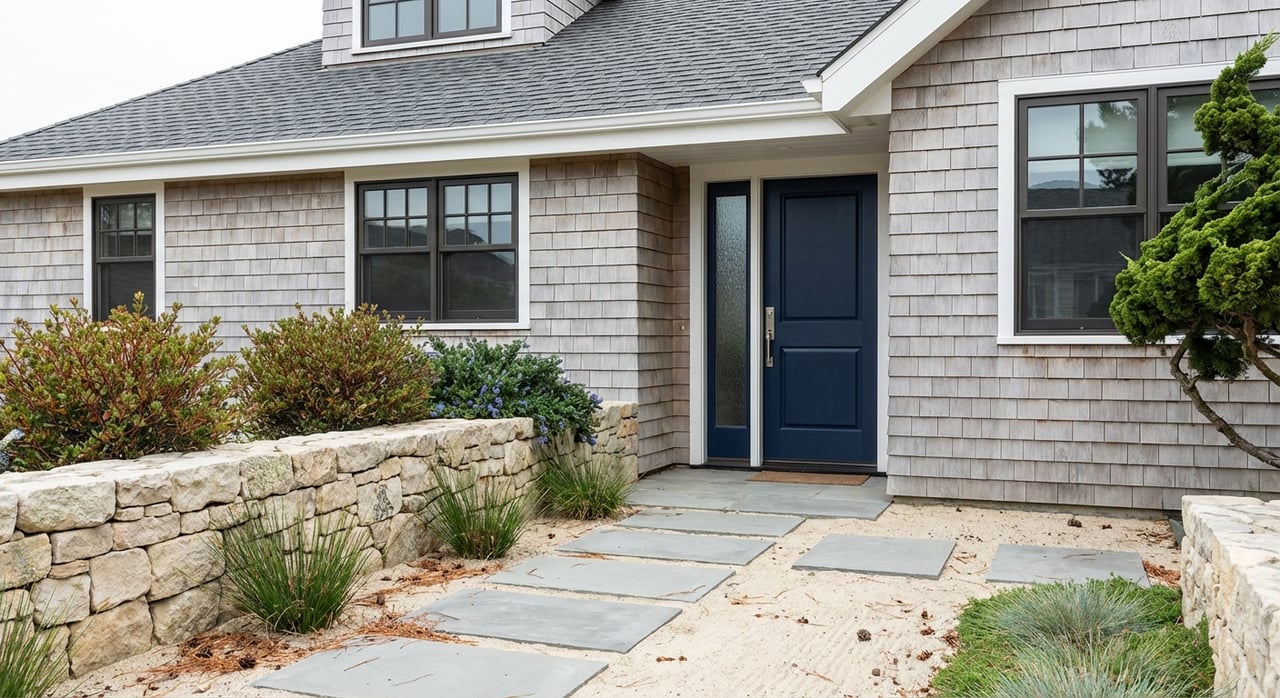
Pacific Grove beach cottages are typically wood-frame homes built from the late 1800s through the mid-1900s. You’ll see Queen Anne and Victorian cottages, Craftsman bungalows, and modest vernacular beach cottages with wood siding or shingles, gable roofs, porches, and period details that contribute to a historic streetscape. Many properties appear in local historic survey work and carry heritage identifiers that matter for permitting (historic survey background).
Lots and expansion limits
Lots tend to be compact with limited side yards and modest rear yards. In coastal areas, the Local Coastal Program and zoning control setbacks, coverage, and the size of additions, so lot size and location affect what you can do far more than in many inland suburbs. Check a parcel’s zoning designation and LCP status early if expansion or substantial exterior work is part of your plan (city code and LCP reference).
Permits and historic review
Historic Resources Inventory
Pacific Grove maintains a Historic Resources Inventory along with formal review procedures. If a cottage is on the HRI or has a local heritage plaque, exterior changes, major additions, and demolition can trigger extra review steps. Plan for additional documentation and timelines if your project touches character-defining features or alters the façade (HRI background).
Coastal zone considerations
Homes near the shoreline may be subject to the Local Coastal Program and Coastal Development Permit review for certain projects. Expect the city to require coastal-hazard or sea-level-rise analysis for development in exposed locations. Budget for longer review timelines and specialized studies for ocean-edge or bluff parcels (LCP reference).
Age and site risks to evaluate
Inspection priorities in older cottages
Older cottages often have quirks that a qualified home inspector will flag. Common findings include older wiring types and undersized electrical panels. Mechanicals may show their age, and galvanized plumbing or aging sewer laterals are not unusual. Plan a full inspection with a focus on electrical, plumbing, roofing and flashing, foundation and crawl space, and signs of wood-destroying organisms (inspection guidance).
Lead-based paint is possible in pre-1978 homes. Federal and state disclosure rules apply to sales, and renovation work must follow lead-safe practices. Testing and disclosures are standard buyer protections in this era of housing (lead paint rules).
Coastal hazards and flooding
For cottages near the water, confirm flood risk and insurability early. Use FEMA’s Map Service Center to check parcel-level flood zone status, which can affect both insurance requirements and project design. Local planning also considers sea-level rise and coastal hazards in permit review, especially for exposed waterfront locations (FEMA flood maps; coastal hazard context).
Seismic risk and retrofit help
Seismic vulnerability is part of coastal California living, and many older cottages benefit from bracing and bolting upgrades. California’s Earthquake Brace + Bolt program has offered grants to eligible homeowners who complete qualifying retrofit work. If a property was retrofitted, request permits and documentation, since seismic improvements can support insurability and reduce risk (EBB program).
Insurance realities on the coast
Insurers can be selective with older or coastal homes. If standard coverage is limited, the California FAIR Plan is the insurer of last resort for basic fire coverage, often paired with a supplemental policy to approximate a typical homeowners policy. Ask an insurance professional to run scenarios and pricing before you waive contingencies (FAIR Plan overview).
How to shop smart
Prep before you tour
Get lender pre-approval or have proof of funds ready if you plan to pay cash. Line up a local agent who knows Pacific Grove’s cottage stock, plus an inspection team that can move quickly. This way you can act fast on a great listing without skipping due diligence (inspection planning tips).
Craft a strong offer
Inventory of well-located cottages can be tight, so a clean, well-prepared offer often matters as much as price. Non-price terms like earnest money, closing timeline, occupancy flexibility, and clear financing can be decisive. Keep inspection contingencies if possible, or shorten timelines only if you understand and price the risk. If you consider escalation clauses or personal letters, consult your agent and legal counsel on local customs and best practices.
Renovation planning tips
If you intend to upgrade systems or add space, verify early whether the property sits in the coastal zone or on the HRI, because both can affect permit steps and timing. Exterior changes to a listed cottage may require historic review, and many coastal projects need extra studies. Build review time and documentation needs into your budget and closing-to-move-in expectations. For seismic work, confirm whether prior retrofits were permitted and explore grant eligibility to offset costs.
Quick buyer checklist
- Confirm zoning, Local Coastal Program status, and whether the home is on the city’s Historic Resources Inventory.
- Run a parcel lookup on FEMA flood maps and discuss typical premiums for similar addresses with an insurance professional.
- Order a full home inspection focused on electrical, plumbing, roof and flashing, foundation or cripple walls, crawl-space bracing, and any signs of wood-destroying organisms.
- Consider targeted tests: lead-paint risk for pre-1978 homes, a sewer scope, and a structural evaluation if settlement or foundation issues are suspected.
- Review seismic history. Ask for retrofit permits and contractor documentation and evaluate eligibility for available grants.
- If planning renovations, speak with city planning or historic staff early to understand likely permit timelines and requirements.
Work with a local advisor
Buying a Pacific Grove beach cottage is both a lifestyle choice and a technical process. You balance walkability and historic character with inspections, permits, and insurance planning. With 30 years of local, full-time experience and a concierge approach, Juan Mancheno can help you target the right streets, coordinate due diligence, and shape a competitive offer without losing sight of risk and comfort.
Ready to start your search or refine your plan? Schedule a personalized consultation with Pebble Beach Realty and get a tailored path to your Pacific Grove cottage.
FAQs
What defines a Pacific Grove beach cottage?
- Typically a small to moderate wood-frame home from the late 19th to mid-20th century with wood siding or shingles, gable roofs, porches, and period details that contribute to a historic streetscape.
How do I check flood risk for a cottage near the water?
- Look up the specific parcel in FEMA’s Map Service Center, then speak with an insurance professional about coverage requirements and typical premium ranges for similar coastal addresses.
What if the cottage is on the Historic Resources Inventory?
- Expect additional review for exterior changes, major additions, or demolition, and plan for documentation and longer timelines. Consult city planning and historic staff before you finalize renovation budgets.
Are older coastal cottages harder to insure?
- They can be. If standard carriers are limited, the California FAIR Plan may provide basic fire coverage, often combined with a supplemental policy to reach typical coverage levels.
Are there grants for earthquake retrofits?
- Yes, programs like Earthquake Brace + Bolt have offered grants to eligible homeowners who complete qualifying bracing and bolting upgrades. Ask about prior retrofit permits and documentation during due diligence.
Is it realistic to walk to parks and downtown from many cottages?
- In many parts of Pacific Grove, yes. Proximity to the Coastal Trail, Lover’s Point, and Asilomar State Beach is a common selling point, but always test the walk for your own routine.