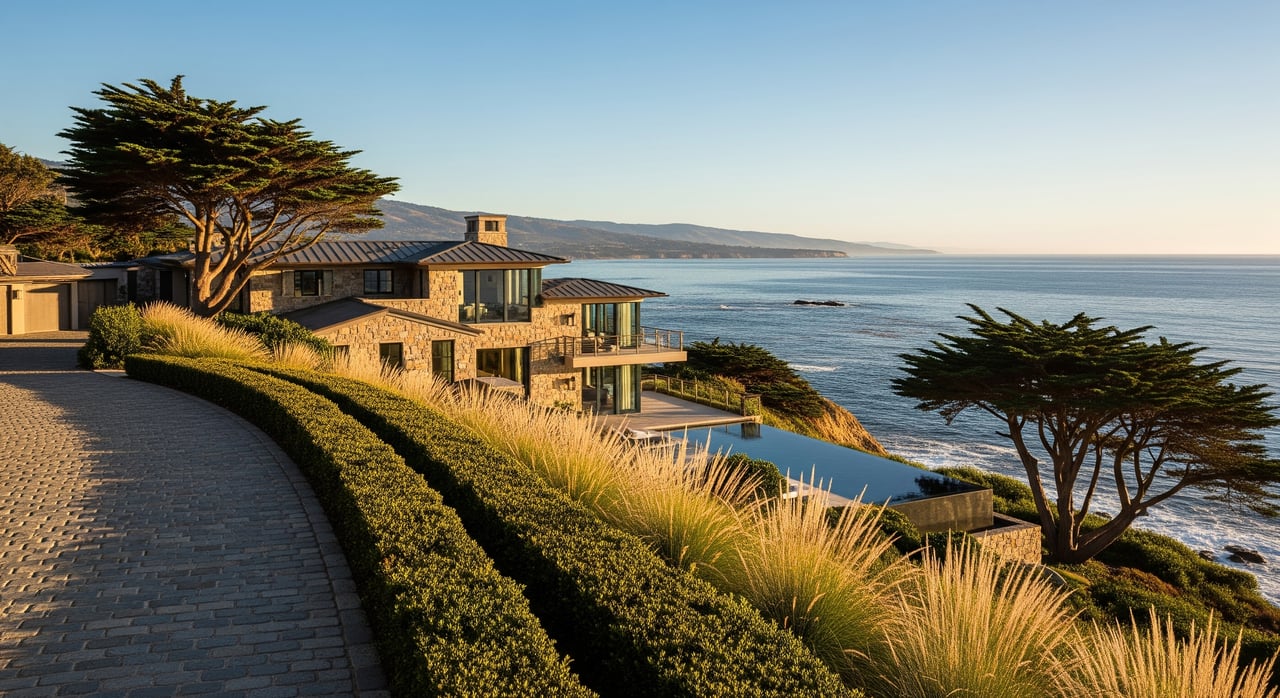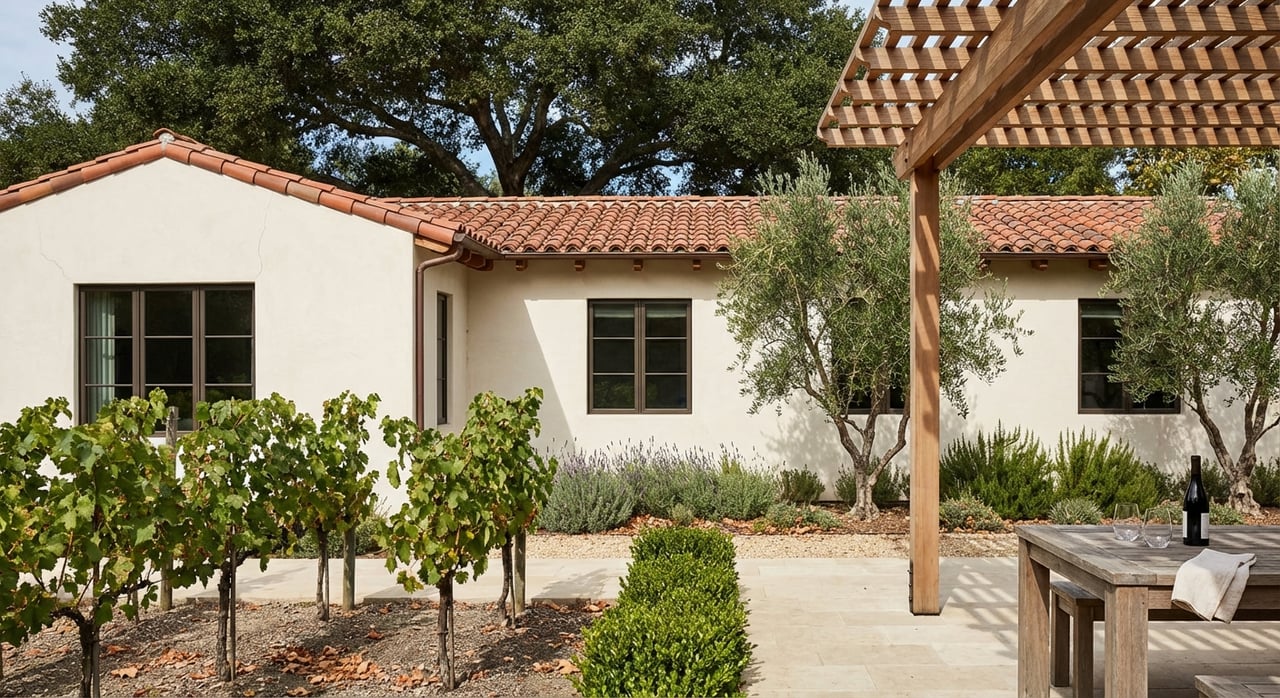
Do you picture warm afternoons, vineyard views, and quiet starry nights just minutes from the coast? If so, Carmel Valley might be the right fit for your next home. You want space, sunlight, and a true wine country lifestyle without losing access to Peninsula amenities. In this guide, you’ll learn how Carmel Valley lives day to day, what types of properties you can buy, the rules that shape building and vineyards, and a smart checklist to use before you write an offer. Let’s dive in.
Why Carmel Valley stands out
Carmel Valley sits inland from Carmel-by-the-Sea, where the sun breaks through more often and evenings cool off. The area is a recognized American Viticultural Area, the Carmel Valley AVA, known for microclimates that support Bordeaux and Rhône varieties along with Chardonnay in select sites. You can explore AVA context through regional wine resources and history on the Carmel Valley AVA overview and the broader Monterey County AVA guide.
Wine tourism is part of daily life here. Carmel Valley Village and the roadway corridor host tasting rooms, small wineries, and resort amenities that create a relaxed, vineyard-adjacent lifestyle. For a feel of the tasting-room cluster and venues, browse the Carmel Valley wineries list.
Property types and micro-areas
Carmel Valley offers everything from compact village cottages to multi-acre ranches and vineyard estates. Many homes focus on indoor-outdoor living with patios, pools, decks, and view sites. Styles range from ranch and farmhouse to Mediterranean, Spanish-revival, mid-century, and newer custom builds. Active land and home listings regularly show parcels from about 1 to 40 acres and beyond. See representative acreage offerings on Carmel Valley land searches.
Carmel Valley Village
If you want tasting rooms, cafes, and everyday services close by, the Village is your hub. Lots tend to be smaller, from sub-acre up to a few acres. Homes here trade some acreage for convenience and a lively, walkable core.
Mid-Valley and Laureles Grade
Los Tulares, Mid-Valley, and Laureles Grade offer comfortable country living with moderate parcel sizes. You often find 1 to 5 acre properties, hillside views, and quick access to both the Village and Highway 68. It’s a good balance of space and convenience.
Hillside ranches and Cachagua
East of the Village, areas like Cachagua and adjoining hillsides offer larger holdings and a more remote feel. Here you see multi-acre ranches, equestrian-ready parcels, and properties marketed for privacy or potential agricultural use. Acreage from 10 to 200 plus acres appears in the market from time to time.
Holman Ranch and Klondike Canyon
This scenic zone features vineyards, event venues, and hillside estates. It is popular with buyers who want vineyard adjacency and views, and who value a quiet, rural setting near the Village corridor.
Santa Lucia Preserve context
While distinct from Carmel Valley proper, the Santa Lucia Preserve informs the high end of rural comparables in the region. It is a gated, conservation-forward community with large homesites, private trails, golf, and managed services. If you are evaluating top-tier acreage options, it provides helpful context for expectations around utilities and conservation stewardship.
What to expect in the market
Public market pages consistently show a high-value, low-inventory environment in Carmel Valley. Different tools report different figures based on method and timing. If you want a quick snapshot to frame your search, review the Zillow Carmel Valley market page, then pair that with current MLS data when you are ready to act. Exact medians change quickly, so lean on fresh, date-stamped local comps before making pricing decisions.
Land use and building rules to know
Monterey County’s Carmel Valley Area Plan shapes what you can build and where. It limits new lot creation, ties house-size ceilings to parcel size, and requires use permits for certain land-use changes. Importantly, the plan states that new full-scale wineries, artisan wineries, and tasting facilities are not permitted within the planning area. Read policy details in the Carmel Valley Area Plan and verify parcel-specific conditions during due diligence.
Agricultural conservation is a core value here. Some properties carry Williamson Act contracts or conservation easements that can limit development and subdivision. Always confirm recorded easements and land-use encumbrances in title and with county planning. You can find county plan publications and resources through Monterey County’s planning pages.
Water, septic, fire, and insurance
Water is critical in Carmel Valley. Depending on location, a property may be within a regulated water district, rely on a private well, or sit near the Carmel River basin where approvals are tighter. The Monterey Peninsula Water Management District has a multi-level permit framework for wells and water systems that can restrict new approvals and affect irrigation plans. Review the MPWMD guidance and permit framework, and verify well permits early using MPWMD ordinance and CEQA materials.
Many homes use septic systems rather than municipal sewer. Monterey County Environmental Health enforces design standards, septic envelopes, and replacement rules. Ask for records, percolation tests, system capacity, and any deed notifications before removing contingencies. For background on local septic regulation, see the county’s Environmental Health legislation record.
Wildfire mapping has evolved, and it affects disclosure, construction, and insurance. The State Fire Marshal’s Fire Hazard Severity Zone maps classify many rural areas as Moderate, High, or Very High, which can trigger defensible-space and Wildland Urban Interface requirements. Confirm a property’s current designation on the OSFM Fire Hazard Severity Zones page and check local adoption updates via Monterey County’s LRA 2025 page. Ask sellers to share prior insurance experiences for the address.
Lifestyle tradeoffs vs. the coast
You gain more sun, space, and a quiet rural pace in Carmel Valley. You also get quick access to tasting rooms and resort amenities that define a wine country lifestyle. On the other hand, you are farther from daily beach time and may rely on private well and septic, depending on the parcel. Explore the visitor and tasting-room landscape to picture your weekends using this Carmel Valley wineries overview.
Buyer checklist for Carmel Valley
Use this quick list to focus your due diligence:
- Water source and entitlements: Confirm Cal-Am or MPWMD coverage versus a private well, the status of any well permit, and whether MPWMD production limits could affect irrigation. Start with MPWMD’s permit framework.
- Septic and wastewater: Ask for system design, capacity, replacement history, and percolation tests. Review county standards, including septic envelopes and deed notifications, in the Environmental Health record.
- Fire and insurance: Check the property’s Fire Hazard Severity Zone, local defensible-space rules, and likely premium impacts. Use the OSFM FHSZ map and county LRA updates.
- Zoning and use limits: Confirm house-size ceilings, view-shed or use permit triggers, and any recorded conservation or agricultural easements. Read the Carmel Valley Area Plan, including its winery and tasting-room policy.
- Vineyard claims: If a listing mentions vineyard potential, verify soils, slope, water, and whether commercial production or hospitality uses are allowed under the area plan. Many existing tasting rooms are long established.
- Access and services: Consider commuting time on Carmel Valley Road, driveway access rules, and cell or internet options that can vary by parcel.
- Marketability and resale: Inventory is often tight and buyer motivations are lifestyle driven. Use current MLS comps and refresh third-party snapshots like the Zillow Carmel Valley market page as a directional check.
How Pebble Beach Realty helps
With 30 years of full-time, local experience, Juan Mancheno offers hands-on, single-point-of-contact guidance from first tour to close. You get clear advice on water, septic, fire, and land-use questions that often decide fit in Carmel Valley. You also get strategic pricing and negotiation, modern digital marketing for your sale, and concierge coordination for inspections and escrow. If you are considering a move, schedule a conversation with Pebble Beach Realty to map your next step.
FAQs
What is the Carmel Valley AVA and how does it affect lifestyle?
- The Carmel Valley AVA identifies a compact winegrowing area with warmer days, cool nights, and varied microclimates that shape local vineyards and the wine country feel; see the Carmel Valley AVA overview and Monterey AVA context.
Can I open a new winery or tasting room on my property in Carmel Valley?
- The Carmel Valley Area Plan states that new wineries and tasting facilities are not permitted within the planning area; review the policy text in the Carmel Valley Area Plan and verify parcel specifics with the county.
How does water availability impact buying in Carmel Valley?
- Water can be regulated by MPWMD or rely on private wells; approvals, siting, and production limits may apply, so confirm permits early using MPWMD guidance and property records.
What should I know about septic systems when purchasing a Carmel Valley home?
- Many properties use septic, and the county enforces design and capacity rules; request records, percolation tests, and any deed notifications, and consult the Environmental Health legislation record.
How do wildfire risk and insurance work for Carmel Valley properties?
- Fire Hazard Severity Zones can trigger defensible-space and WUI construction requirements and influence insurance availability and costs; check the OSFM FHSZ map and county updates.
Where can I see current Carmel Valley home price trends?
- For a quick directional snapshot, review the Zillow Carmel Valley market page and pair it with current, date-stamped MLS comps and a local consultation before pricing or offering.