What if your morning coffee, a gallery stroll, and a sunset beach walk were all within a few blocks of home? If you love visiting Carmel-by-the-Sea and wonder what it is like to live here full or part time, you are not alone. The village is charming, walkable, and full of culture, yet daily life comes with its own rhythms and practical details. In this guide, you will learn what you can walk to, what you will likely drive for, how housing works in the core, and which rules and services matter before you buy. Let’s dive in.
The walkable village layout
Where your feet take you
If you live in or near Ocean Avenue and the surrounding blocks, many daily needs are a short stroll. You can grab coffee, pick up specialty groceries, visit the post office, browse galleries, and reach Carmel Beach without getting in the car. The street grid is tight, block lengths are short, and lanes feel intimate, which makes walking natural.
What walkability means week to week
You will rely on footpaths for leisure, errands, and dining most days. For bigger shopping runs, medical specialists, or contractor services, you will still drive to nearby Monterey, Seaside, or Carmel Valley. Expect a peaceful pace during off-season months and livelier sidewalks during peak visitor periods.
Navigating parking in the core
On busy days, parking fills fast. Street spaces are often timed and municipal lots can be full in peak season. If you host guests often, plan for them to use nearby public lots or street parking and confirm any neighborhood restrictions with the city.
Daily amenities and rhythms
Coffee, markets, and errands
Independent shops define the village. You will find small markets, artisan food purveyors, wine shops, boutiques, and everyday services clustered around Ocean Avenue. The mix skews local rather than big-box, so you may keep a running list for monthly stock-up trips outside the village.
Dining and evenings
From casual cafés to white-tablecloth rooms, you can dine well within a few blocks. Evenings tend to be relaxed and restaurant-centered. You will not find late-night clubs, but you will discover warm hospitality, seasonal menus, and cozy spots for a glass of wine after a beach walk.
Arts and community
Carmel’s artist roots show up in galleries, small theaters, and seasonal events. To see what is on, check the business and event listings from the Carmel Chamber of Commerce and plan your calendar. You will notice opening nights, pop-up shows, and outdoor festivities gather people right in the village.
Beach and outdoor time
Carmel Beach is an easy walk from the center, and Scenic Road offers memorable ocean views. For hiking, golf, and marine activities across the Monterey Peninsula, you will drive a short distance. A quick beach walk before dinner or a sunrise stroll can become your daily reset.
Seasons and crowd patterns
Late spring through early fall brings more visitors, open-air dining, and extra foot traffic. Off-season is quieter. If you crave calm, choose a home a few blocks off Ocean Avenue and visit at different times of year before you buy to feel the seasonal shift.
Housing options in the village
Storybook cottages and small lots
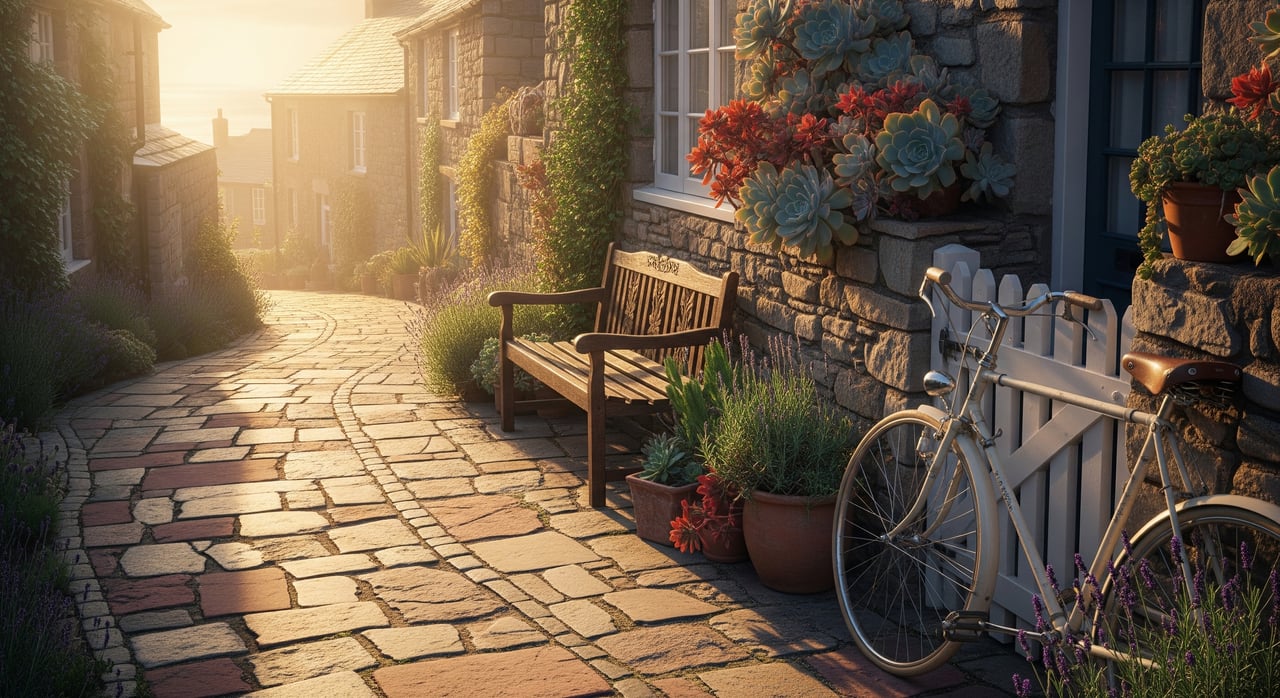
Close to the core, you will see historic cottages and small single-family homes with unique details. Lots can be irregular and landscaping mature, which adds charm but can limit expansions. If you plan to renovate, know that design review is part of life here.
Condos and lock-and-leave living
Condominiums and a few multifamily options exist in and near the commercial center. These often appeal if you want lower maintenance or a part-time base. Homeowner associations may have dues and rules, so review them closely before you write an offer.
Estates on the edges
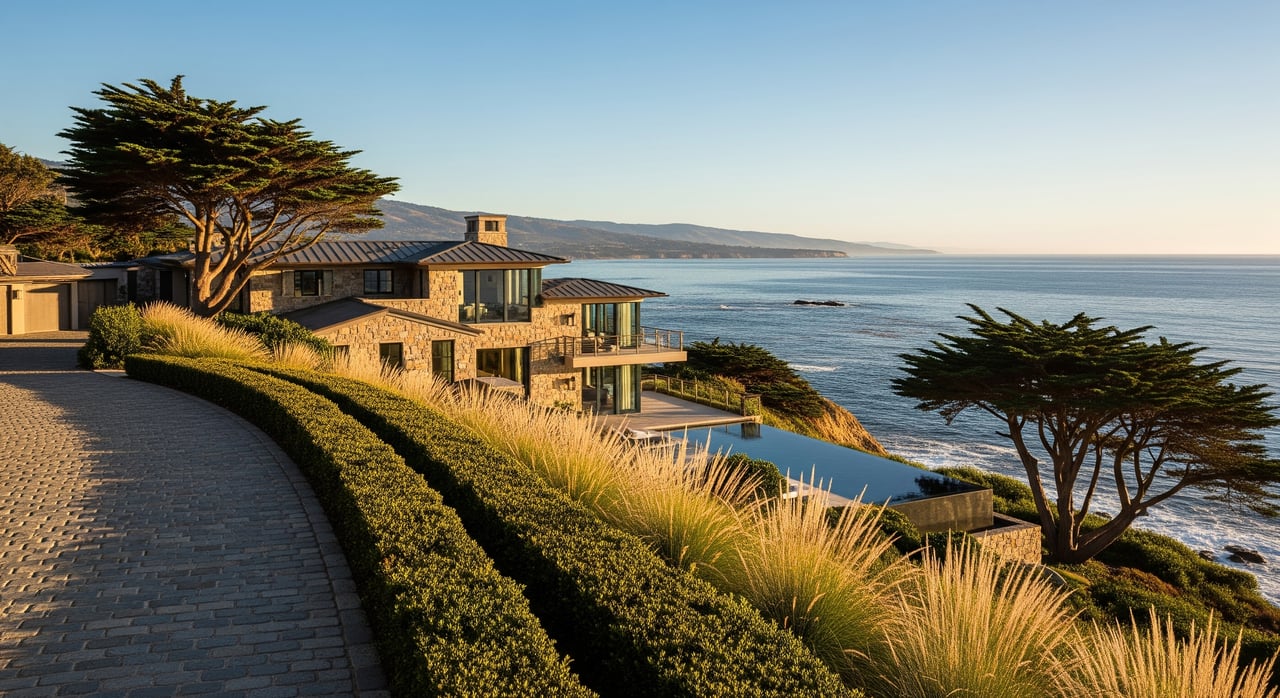
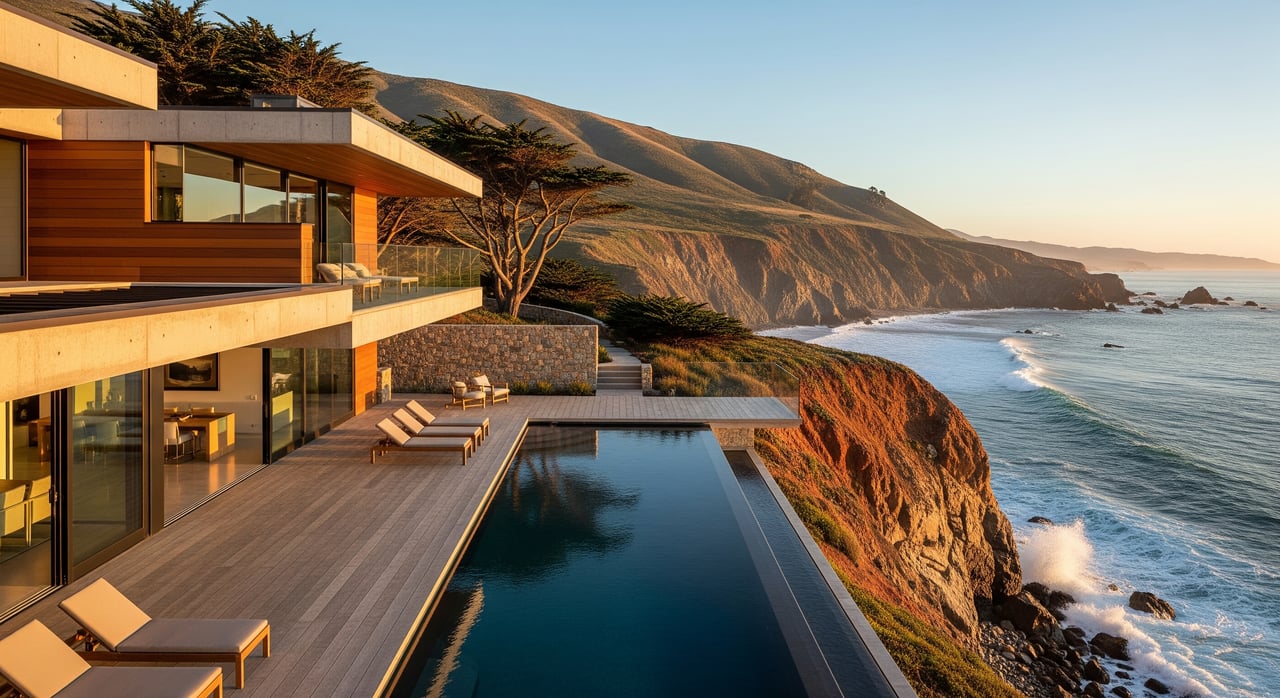
Larger oceanfront and hillside properties sit on the edges of town and in neighboring Peninsula communities. They offer more space and privacy, but they are less common within the compact, walkable village.
Who buys here
You will meet a mix of full-time residents, retirees, professionals who commute nearby, remote workers, and second-home owners. Inventory in prime village locations is often tight, which can create competition for move-in-ready cottages. Market balance shifts over time, so align your search with current local data and your lifestyle goals.
Practical logistics for residents
Getting around the Peninsula
You will use Highway 1 for quick trips to Monterey and beyond, and Monterey Regional Airport makes regional travel simple. Check routes and schedules with Monterey-Salinas Transit if you want a car-light option for regional errands. For flight options and access details, visit Monterey Regional Airport.
Groceries and bigger runs
Within the village, small markets and specialty shops cover regular meals and last-minute items. For bulk groceries, home goods, or hardware, you will likely drive to Monterey, Seaside, or Carmel Valley. Many residents plan a weekly or biweekly stock-up to keep life easy.
Schools overview
Carmel is served by public and private schools in the area. To verify attendance zones, enrollment capacity, or choice policies, review the Carmel Unified School District site and speak with the district. School options can affect both lifestyle and commute patterns.
Healthcare access
Urgent care and primary care are available around the Peninsula, and full hospital services are close by at the Community Hospital of the Monterey Peninsula. For specialty care, expect short drives within the region. When you tour homes, consider drive times for your routine appointments.
Utilities and internet
Municipal water, wastewater, and refuse service function like a typical small coastal town. Older properties may have tighter on-site parking and unique utility layouts, so confirm providers and connection details during inspections. Broadband is generally good, but speeds vary by street, so verify service levels if remote work is a priority.
Design review and permits
Carmel protects its village character with robust design review. Exterior changes, additions, and new construction often require approvals through the City of Carmel-by-the-Sea. If your property is near the shoreline, the California Coastal Commission may also have a say, which can add steps and time to a project.
Natural hazards and insurance
Coastal exposure, seismic activity, and regional wildfire concerns shape how you plan and insure your home. Historic structures may benefit from earthquake retrofits, and oceanfront or bluff properties can require specialized evaluations. Because underwriting can be more complex for coastal and high-value homes, get insurance quotes early in your search.
Short-term rentals and local rules
Many coastal towns regulate vacation rentals, and Carmel is no exception. The city uses licensing and safety requirements, and it may limit or condition short-term rentals. Review current ordinances with the City of Carmel-by-the-Sea and confirm details with planning staff. Rules can change, so check the municipal code and permit process before you purchase a property for rental use.
Can you live car-light here?
If you live within or next to the core, you can do a lot on foot. To see if a car-light lifestyle fits, try this quick checklist:
- Map your daily loops. Coffee, post office, small market, beach, and a favorite restaurant should all be within a few blocks.
- Test the stock-up plan. Identify your go-to big grocery and time the round-trip drive.
- Check guest parking. Visit on a busy weekend and a quiet weekday to see real conditions.
- Confirm transit options. Review MST routes and ride times for your most common errands.
- Consider mobility needs. If stairs, slopes, or uneven paths matter, walk the route morning and evening.
Tips for trying on the lifestyle
- Visit in different seasons. Spend a weekend in summer and again in winter to feel the shift from lively to quiet.
- Walk from potential homes to the beach, to Ocean Avenue, and to your favorite café. Do this at different times of day.
- Call the city about design review for any changes you are considering. Ask what permits a typical remodel requires.
- Price your insurance early if you are looking near the coast or in an older home.
- If remote work matters, run a speed test from the property and confirm providers.
How Pebble Beach Realty helps
You want more than a pretty village. You want the right home, the right walk, and a clean, confident purchase. With 30 years of full-time local experience, Juan Mancheno offers hands-on, concierge guidance across the Monterey Peninsula. You get help aligning lifestyle needs with housing types, reading micro-locations street by street, confirming permitting realities, and coordinating inspections and escrow.
Whether you are seeking a lock-and-leave condo near Ocean Avenue, a storybook cottage close to the beach, or a quiet home on the edge of town, we support you from first tour to closing. If you plan to rent part time or relocate in stages, we also offer rental and short-term leasing support and investor guidance within our full-service approach. Ready to walk the village with a local advisor and build a plan tailored to you? Schedule your consultation with Pebble Beach Realty.
FAQs
Is Carmel-by-the-Sea truly walkable for daily needs?
- Yes for many residents in or near the core, where cafés, small markets, galleries, and the beach sit within a few compact blocks; you will still drive for bulk groceries and regional services.
How busy does the village get during peak season?
- Late spring through early fall brings more visitors, fuller parking, and a livelier dining scene; off-season life is calmer and more residential.
What should I know about renovating a cottage in Carmel?
- Expect design review and permits for exterior changes, and plan extra time if your project is near the coast where Coastal Commission rules can apply.
Can I operate a short-term rental in the village?
- Short-term rentals are regulated and may require licensing and compliance with city rules; check the latest municipal code with the City of Carmel-by-the-Sea.
Where do residents go for larger shopping trips?
- Most residents drive to Monterey, Seaside, or Carmel Valley for bulk groceries, home goods, and hardware beyond the village’s specialty shops.
What public transit options serve Carmel-by-the-Sea?
- Monterey-Salinas Transit provides regional bus service; review current routes and schedules for the stops that fit your routine.
What hospitals and specialty care are nearby?
- Full hospital services are available at the Community Hospital of the Monterey Peninsula in the nearby Peninsula corridor, with additional specialty providers across the region.
Which school district serves Carmel-by-the-Sea?
- The Carmel Unified School District serves the area; verify attendance zones and enrollment directly with the district before you buy.