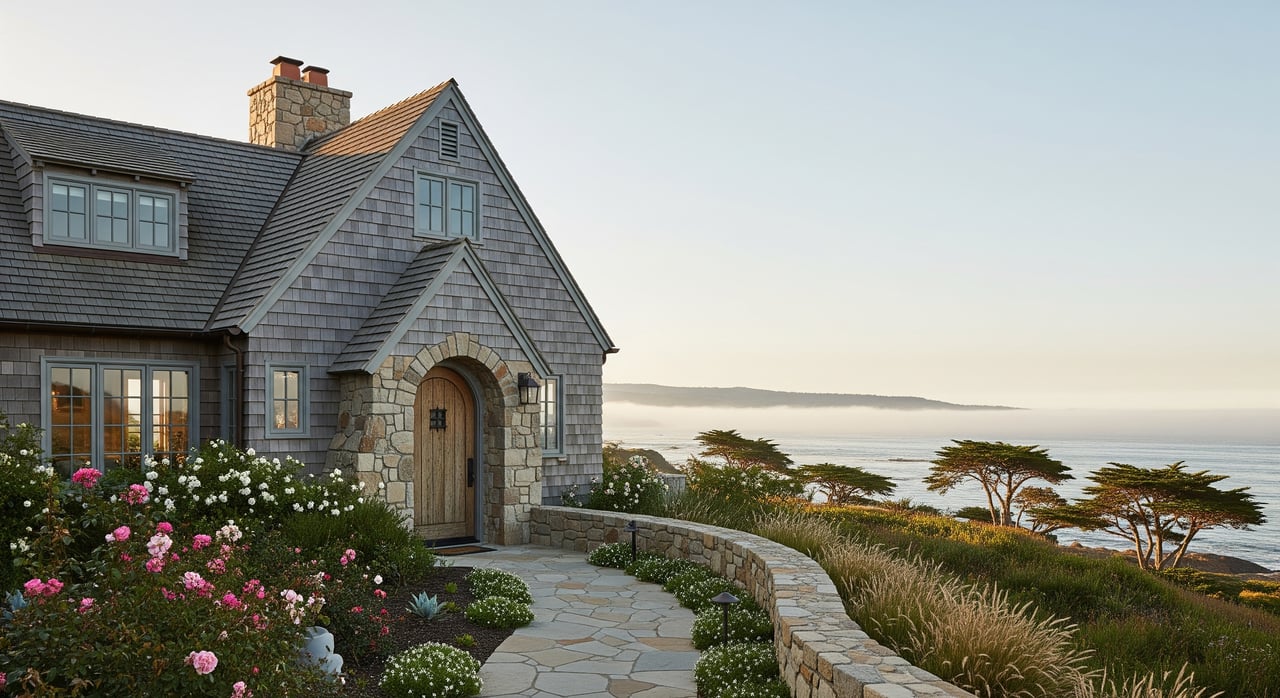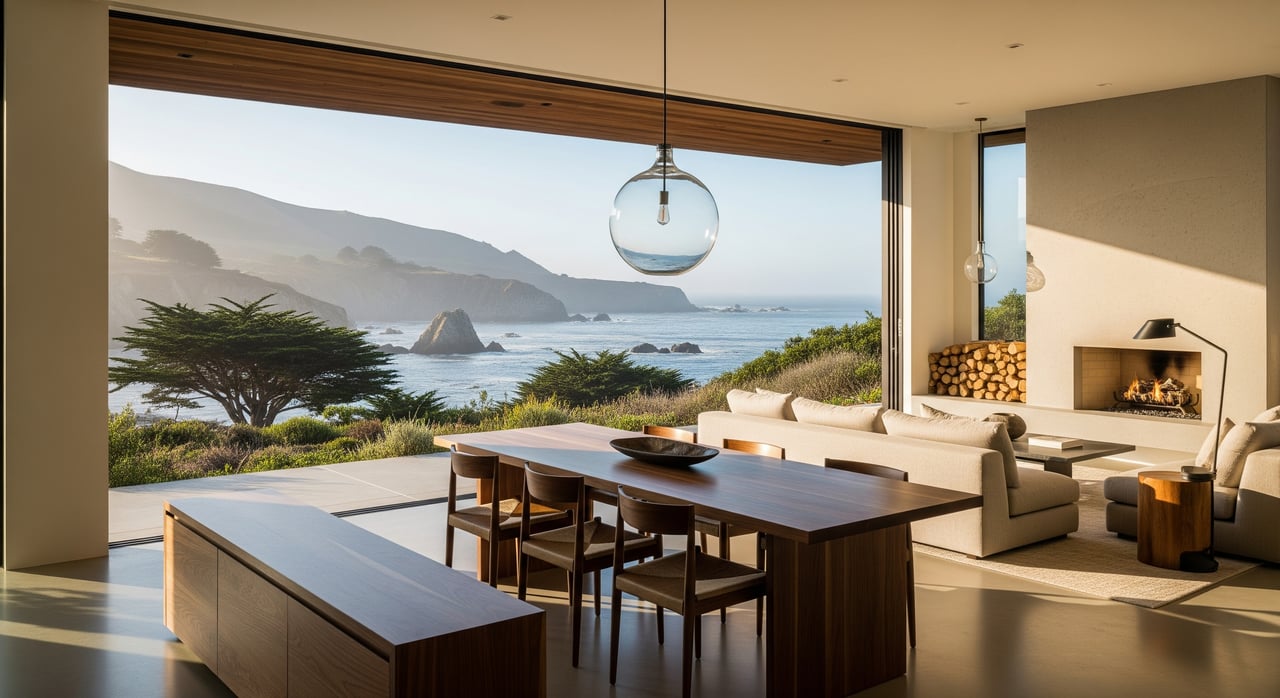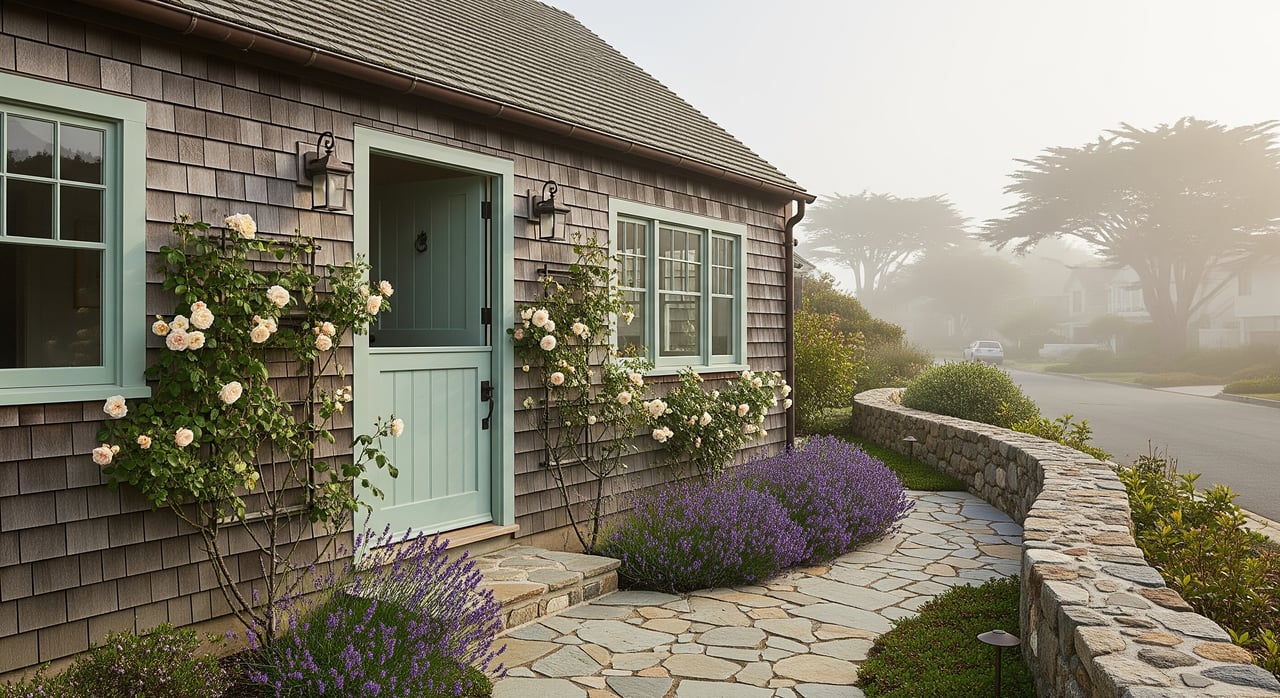
Is your Carmel-by-the-Sea cottage hard to price because it is charming, compact, and unlike anything else on the block? You are not alone. In this village, buyers pay for lifestyle, walkability, and character as much as square footage. In this guide, you will see exactly how we build a price range and choose a list price that attracts the right buyers and gets you sold on solid terms. Let’s dive in.
What makes Carmel pricing unique
Carmel-by-the-Sea is a small coastal market with tight inventory and strong lifestyle appeal. Many buyers are second-home or luxury buyers who value privacy, proximity to the beach and Ocean Avenue, and the village feel. That means two cottages with similar square footage can sell for very different prices based on location and character.
Local rules also shape value. Design review, zoning, and historic-preservation standards can limit expansions or exterior changes. Coastal regulations can add cost and time for exterior improvements, so buyers weigh permitability when comparing homes.
Short-term rental rules matter too. If your cottage has a valid permit and a rental track record, some buyers will apply an income lens. If not, investors may discount the price or pass. Parking, walkability, and ease of access are practical factors that impact value because many lots are small and on-street parking can be limited.
Seasonality can influence timing and strategy. Buyer activity often rises in spring through fall when more visitors are in town, though serious buyers shop year-round. We tailor pricing and launch plans to when your likely buyer is paying attention.
How we build your price range
We start with data and then layer in local judgment. Your price range is not a single number. It is a well-supported band that reflects what similar buyers recently paid for comparable cottages and how your property’s features stack up.
Start with local comps
The sales comparison approach is the primary method for cottages here. We pull closed sales from the last 3 to 12 months inside Carmel-by-the-Sea, expanding outward only if we lack enough directly comparable homes. We prefer cottages and small vintage homes rather than larger, newer builds because buyer motivation and layout efficiency differ.
We match on location, distance to Ocean Avenue and Carmel Beach, view quality, lot utility, and parking. We only use comps with similar condition and permitted work. When turnover is slow, we extend the time window and apply time adjustments to reflect current market pace.
When we use the income lens
If your cottage is a permitted short-term rental with documented performance, we supplement the CMA with an income approach. We review historical gross revenue, realistic occupancy, expenses, and the cap rate range buyers use locally. We only apply this approach when permits and compliance are clear, since uncertainty can narrow the buyer pool and reduce value.
Why the cost approach is limited
For older, character cottages, replacement cost tells only part of the story. Land value, walkable location, and unique design details drive price more than what it would cost to rebuild. We may reference cost for insurance or construction planning, but it rarely sets market value.
Adjustments we quantify
We use an adjustment grid to compare your cottage to each comp and measure differences. The goal is not a perfect formula. It is a consistent, market-based way to explain value.
Key factors we adjust for include:
- Location within the village and blocks to Ocean Avenue or Carmel Beach
- Quality of ocean, bluff, partial, or no view
- Walkability to shops, restaurants, and the beach
- Lot size and outdoor living, including patios and gardens
- Historic character and original architectural details
- Parking type and on-site availability
- Interior size and usable square footage, excluding non-conforming areas
- Level of recent, permitted renovations and system updates
- Short-term rental permit status and documented rental income
- Any encumbrances, easements, or access limits
The pricing strategy that sells
Once we have your value range, we choose a list strategy that fits your goals and the current demand.
Price to market value
We list close to the market-clearing price to maximize qualified traffic and reduce days on market. This approach sets a clear signal for serious buyers and creates urgency if the cottage shows well.
Controlled competition
In a thin-inventory, high-demand segment, a slight underprice can spur multiple offers. This tactic works best when your cottage is move-in ready, well located, and recent comps show brisk interest. We use it carefully and never assume competition is guaranteed.
Aspirational pricing
If your cottage is truly one-of-a-kind with limited comps and unique features, we may list above the range to test buyer willingness to pay a premium. The tradeoff is longer market time and fewer showings. We monitor response closely and adjust if needed.
Price bands and search brackets
Buyers search in round-number brackets. Pricing at or just below key thresholds can expand your exposure in MLS and portal filters. We will recommend the bracket that reaches your target buyer while protecting your net proceeds.
Prep your cottage to support the price
Presentation is part of pricing. Small, focused improvements can lift perceived value and reduce buyer friction.
- Tackle weather and maintenance basics first, including exterior protection, roof conditions, and efficient heating.
- Refresh kitchens and baths in scale with the cottage. Aim for clean, tasteful finishes that show quality without overbuilding.
- Preserve original character that is in good condition. Highlight millwork, windows, and vintage hardware where they shine.
- Maximize curb appeal on compact lots. Clear pathways, tidy plantings, and inviting patios make a strong first impression.
- Invest in professional photos and a virtual tour. Emphasize walkability, proximity to the beach and Ocean Avenue, and outdoor living spaces.
- Assemble permits, prior inspections, and renovation documentation. Buyers here scrutinize compliance and historic or coastal considerations.
Timing and market cadence
We consider when your likely buyer is in market and visiting the area. Listing during heavier foot traffic can draw more out-of-area interest. Off-season listings can still perform well if the property is well priced and marketed.
We set a review cadence at two to four weeks after launch. If showings, saves, and inquiries are below expectations, we adjust marketing or price quickly. Momentum matters more in small, high-amenity markets.
What goes into our CMA
Our CMA is a living document that explains your price recommendation and gives you confidence in the plan. We gather the following for your property and each comp:
- Address, parcel number, sale date, sold price, and days on market
- Bed and bath count, finished living area, and any non-conforming space
- Lot size and orientation, plus clear notes on view quality
- Distance to Ocean Avenue and Carmel Beach
- Parking type and on-site availability
- Renovation history and permit status with supporting documents
- Presence of a short-term rental permit and any verified income history
- Photos, floor plans if available, and a summary of legal constraints or easements
The metrics we watch
We review median and average sale prices for the city and nearby micro-areas. We track price per finished square foot, but we treat it with caution because many cottages have unique layouts. Days on market, months of inventory, and active-to-pending ratios help us explain the pace and competition level.
In cases with rental history, we calculate gross income and net operating income to frame what investor-leaning buyers might consider. We align these numbers with current rules and actual performance.
Why automated values fall short
Automated valuation models often misread character cottages in low-turnover areas. They struggle with micro-location, view nuance, walkability, and historic features that do not fit standard models. We use them only as background. Your price is built on local comps, permits, and on-the-ground knowledge.
Seller checklist for pricing in Carmel
Use this quick checklist to stay organized:
- Confirm permit history and any coastal or historic reviews tied to past work.
- List key value drivers: ocean view quality, walkability, parking, and outdoor spaces.
- Pull 3 to 6 recent Carmel-by-the-Sea cottage comps and expand outward only if needed.
- Compare condition and confirmed permits before relying on a comp.
- Calculate price per square foot with caveats and focus on adjusted sale prices.
- If applicable, validate short-term rental permits and actual income records.
- Plan professional photography that highlights lifestyle and location.
- Choose a launch window aligned with buyer activity, then set a 2 to 4 week review.
Working with Pebble Beach Realty
You get a single, accountable advisor with 30 years of full-time, local experience. We blend hands-on, concierge service with modern MLS syndication and digital marketing to reach the right buyers. Our approach is clear, data-driven, and tailored to the realities of Carmel-by-the-Sea.
Whether you own a cozy storybook cottage or a rare, view-forward gem, we will position it with care, defend the price with facts, and manage every step. Ready to talk strategy for your property and timeline? Connect with Pebble Beach Realty to get started.
FAQs
How do you determine value for a Carmel cottage?
- We build a local CMA using recent, similar cottage sales, then adjust for location, view, walkability, parking, condition, and permitted improvements.
Do ocean views and walkability change price?
- Yes, clear views and close proximity to the beach and Ocean Avenue typically command premiums relative to otherwise similar cottages.
Should I price higher to leave room to negotiate?
- It depends on uniqueness and demand; in tight markets, pricing near true market value often draws stronger, cleaner offers than starting too high.
How long does a well-priced cottage take to sell?
- Timing varies by season, condition, and strategy; well-positioned cottages can move quickly while overpriced homes may sit for months.
Can I market short-term rental income in my listing?
- Only if the property is permitted and compliant; verified income can help valuation, while uncertainty can reduce buyer interest.
What if there are no recent comps nearby?
- We expand the search carefully to adjacent areas and apply thoughtful adjustments, then cross-check with appraisers or additional data as needed.