You came to Carmel for the charm, and nothing says Carmel more than a cottage with hand-crafted details and a garden gate. Still, choosing the right one can feel tricky. Styles vary, rules are strict, and older homes need careful inspection. In this guide, you’ll learn how to tell the signature cottage styles apart, what to check before you buy, how permitting works, and which neighborhoods fit different goals. Let’s dive in.
What “cottage” means in Carmel
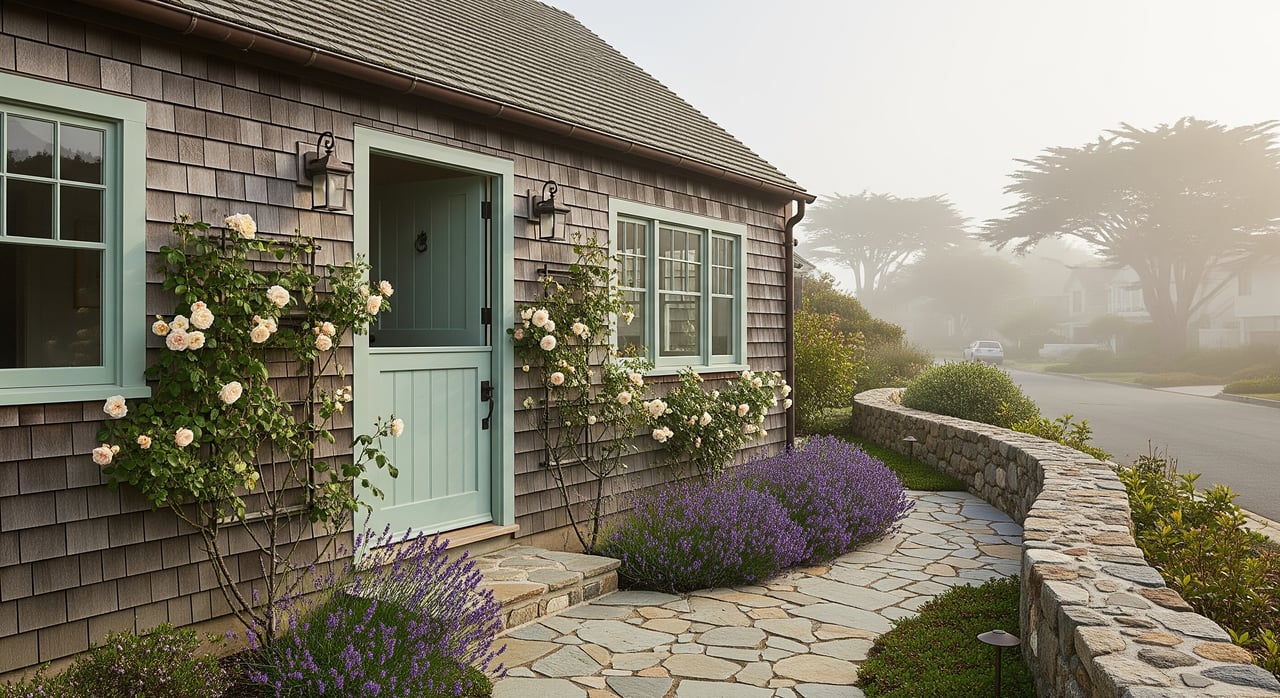
In Carmel-by-the-Sea, a cottage usually means a small to moderate home with storybook character and hand-crafted finishes built in the early to mid 1900s. Expect cozy rooms, irregular layouts, and thick materials like stone, timber, stucco, or shingles.
Inside, you may see tongue-and-groove walls, plaster over lath, built-ins, and small-paned or leaded glass windows. These features make the homes unique, and they also affect inspections, maintenance, and upgrades.
Signature cottage styles
Storybook cottages
If you picture a whimsical roofline and rolled eaves, you’re likely thinking of the storybook cottages influenced by Hugh Comstock from the 1920s and 1930s. Look for asymmetrical shapes, small-paned windows, stucco or wood-shingle exteriors, and stone chimneys with timber details. These homes helped define Carmel’s cottage identity and remain some of the most recognizable properties in town.
Craftsman and bungalows
Craftsman-era cottages typically have low-pitched roofs, broad eaves, and exposed rafters. Inside, you’ll see built-ins and natural materials like wood and stone. The focus is on joinery and honest materials that add warmth and functionality.
Tudor Revival
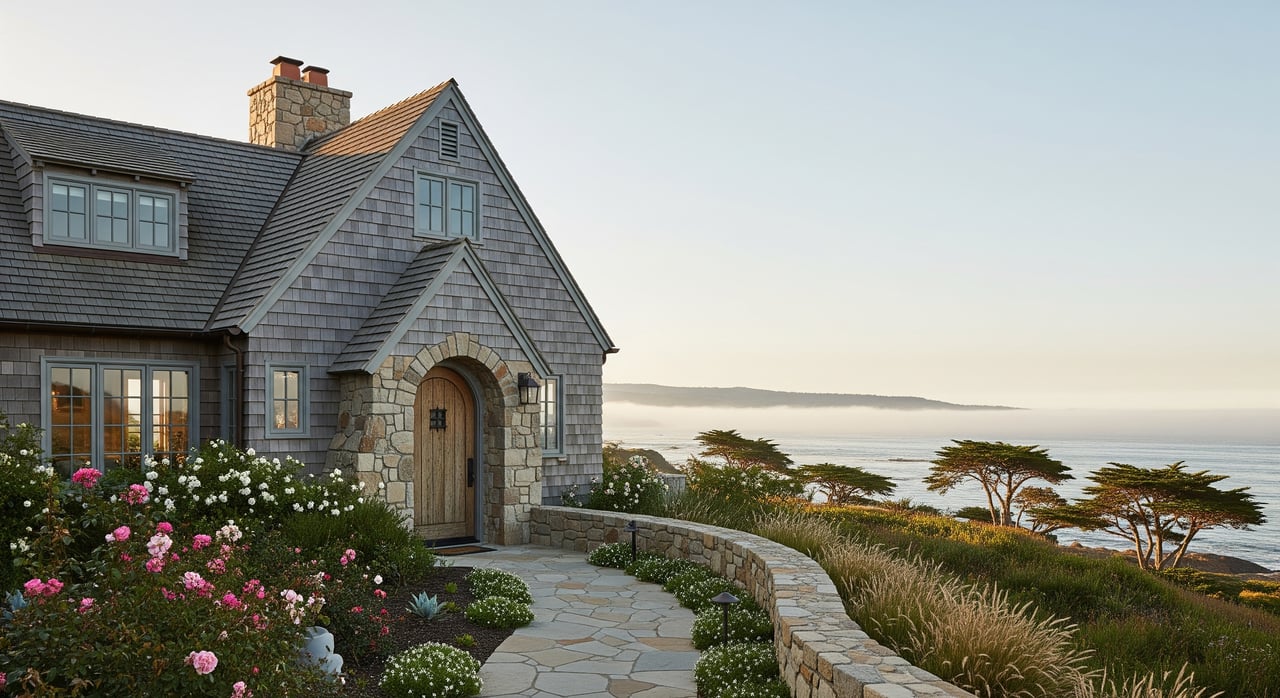
Tudor Revival or English cottage styles show steeply pitched roofs, half-timbering, arched doors, and casement windows. In Carmel, you may also see Tudor features blended with storybook elements for a playful feel that still reads traditional.
Spanish and Mediterranean Revival
Spanish-inspired cottages often feature stucco walls, red tile roofs, and arched openings. You’ll find them in certain pockets and on some larger lots where the style pairs well with garden courtyards and patios.
Coastal and contemporary cottages
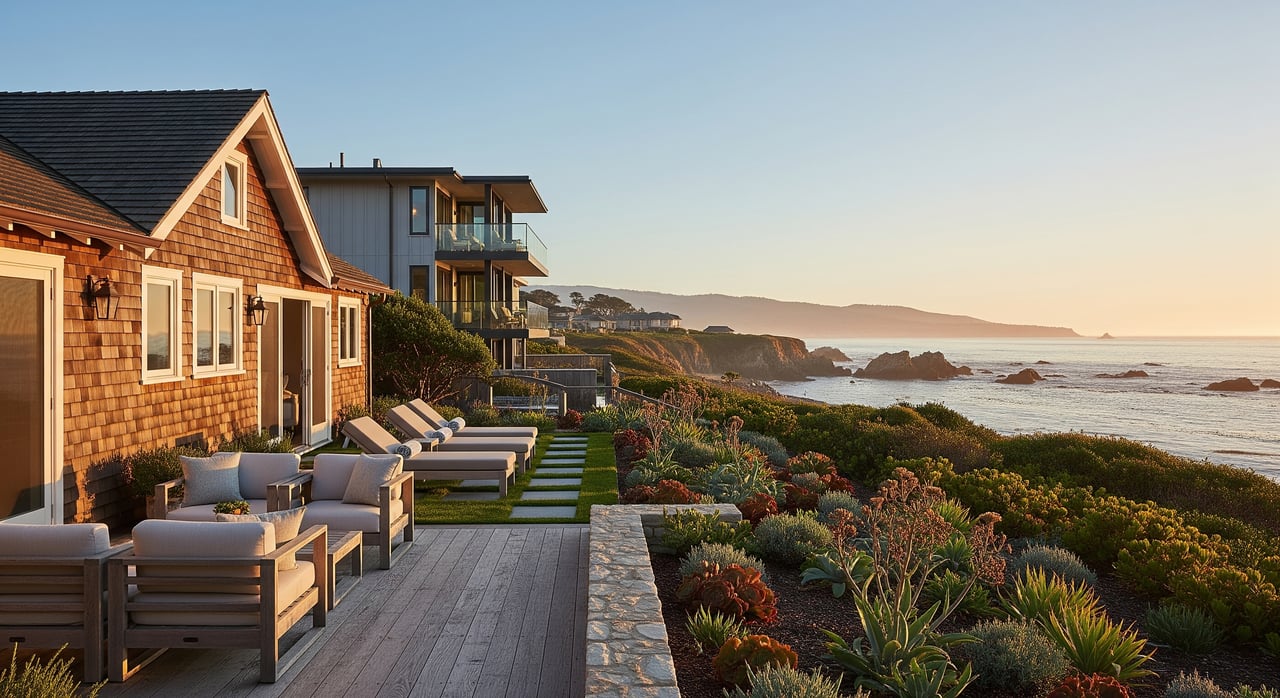
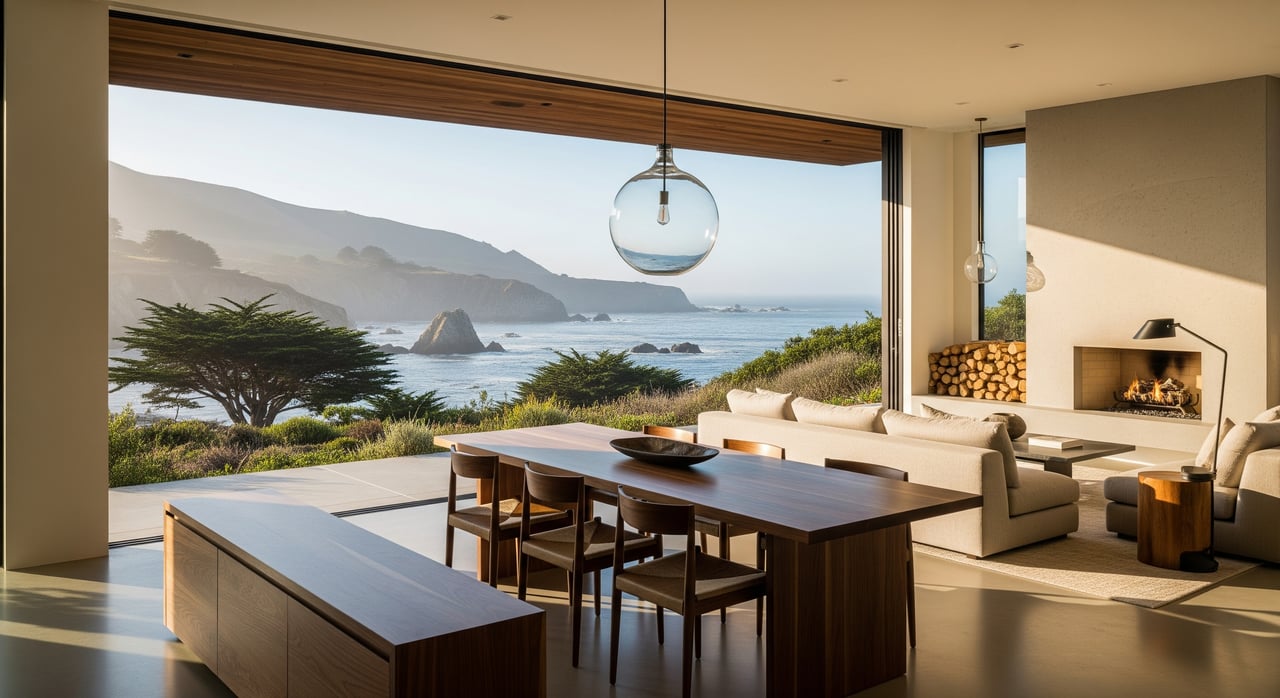
Some cottages have been updated or built more recently to maximize light, flow, and views while keeping a smaller scale. Expect more open plans and contemporary materials that respect Carmel’s cottage character.
What to look for before you buy
Older cottages deserve a careful, cottage-savvy inspection process. Use these priorities to guide your due diligence.
Structure and envelope
- Foundations. Many cottages sit on shallow footings or pier-and-beam systems. Look for settlement, moisture intrusion, rot, and seismic vulnerabilities.
- Roofs and drainage. Shingle or tile roofs with exposed eaves need close review. Check roof age, flashing, chimney flashings, and attic ventilation.
- Exterior finishes. Wood shingles and siding in the marine climate can hide rot or corrosion. Probe for hidden decay and ask about past repairs.
- Termites and pests. Wood framing is common, so a thorough wood-destroying organism inspection is essential.
Mechanical, electrical, and plumbing
- Electrical. Older knob-and-tube wiring or undersized service panels raise safety and lender concerns.
- Plumbing. Galvanized or cast-iron lines may be near end of life. Flat waste stacks can cause drainage issues that require replacement.
- Heating and cooling. Some cottages rely on older furnaces or electric heat. Space constraints can affect HVAC retrofits.
Hazard-specific checks
- Moisture and mold. Small interiors plus coastal humidity increase risk. Look for musty odors and visible signs in baths and closets.
- Lead and asbestos. Homes built before 1978 may have lead-based paint or early materials that require compliant handling.
- Chimneys and fireplaces. Stone and brick chimneys often need inspection and may require repointing or relining.
Who to hire
- General home inspector with historic-cottage expertise.
- Structural engineer for foundation, settlement, or seismic questions.
- Pest and wood-destroying organism inspector.
- Sewer or septic inspector if the property is not on public sewer.
- Historic-preservation contractor or conservation architect to scope sensitive repairs.
- Mold, lead, or asbestos consultants if flagged during inspections.
Permits and design review in Carmel
Carmel-by-the-Sea is known for rigorous design and aesthetic controls. Exterior changes, additions, and many repairs require permits and design review. Many cottages are identified as historic or contribute to historic districts, which can add preservation requirements.
Before you plan work, contact the City of Carmel-by-the-Sea planning department to confirm historic status, applicable guidelines, and review procedures. This early step helps you understand what is possible and how to sequence your design and permits.
Coastal zone considerations
Parts of Carmel fall within the California Coastal Zone. Projects near the coast or affecting coastal resources may require a coastal development permit. Sea-level rise, bluff setbacks, and shoreline conditions shape what is allowed, especially for bluff-top or oceanfront homes.
Zoning, setbacks, and ADUs
Lot size, floor-area ratios, height, and setbacks all guide additions and accessory dwelling units. California law encourages ADUs, but local design review and resource protections still apply. Historic cottages may have limited expansion to preserve scale and character, so confirm feasibility before you assume an ADU or major addition will work.
Utilities, easements, and access
Verify whether the home has municipal water and public sewer or private systems. Confirm any easements, including public paths or utility rights-of-way. Some village streets are narrow and can affect parking, deliveries, and how construction is staged.
Hazards, insurance, and financing
Understanding local risks can help you budget for insurance and plan your offer.
Natural hazards to consider
- Coastal flooding and sea-level rise. Low-lying or bluff-adjacent properties may face added risk and regulatory limits.
- Earthquake. Many older cottages need seismic upgrades like bolting and foundation work.
- Wildfire exposure. Carmel is coastal, but drought and brush can create pockets of risk. Parcel-level review is best.
- Storms and erosion. Homes near the bluff or beach may be more exposed to wind, rain, and erosion events.
Insurance basics
California homeowners policies may exclude earthquake coverage, and premiums can be higher for older systems or higher-risk locations. Some historic materials call for specialized coverage or endorsements. Insurability can also depend on the condition of roofs, wiring, and plumbing.
Financing and appraisal
Lenders can require repairs or remediation for structural issues, failing septic systems, or outdated utilities. Historic cottages with unusual layouts or smaller sizes can complicate appraisals, so be prepared with strong comparable sales and a lender experienced in older homes. Cash buyers sometimes have an edge on properties needing significant work.
Renovation and preservation tips
Set your goals
Most buyers aim to modernize kitchens and baths while keeping the features that give a cottage its soul. Balance comfort upgrades with the period details that drive value, like windows, built-ins, trim, and fireplaces.
Plan the process
Schedule a pre-application meeting with city planning or design review staff early. For historic properties, expect more detailed documentation and possibly a preservation consultant’s input. Line up contractors who understand historic materials and local review to reduce surprises.
Materials and methods
Where possible, use in-kind repairs, such as replacing wood shingles with similar profiles. Choose reversible interventions and document changes for future owners. Window upgrades often work best with storm windows or historically sensitive replacements that match original sightlines.
Sustainability upgrades
You can usually improve comfort and efficiency with air sealing, insulation, and efficient mechanicals. Photovoltaic systems may be feasible with careful placement to maintain visual character. Always confirm visibility and design constraints during review.
Neighborhood context and lifestyle
The Village and Downtown
If you want walkability to Ocean Avenue shops and restaurants, the village core is your spot. You’ll find many small, historic cottages tucked on lanes and close to amenities. Micro-location matters, and being a few blocks in either direction can change daily experience.
Scenic Road and Oceanfront
Oceanfront and near-ocean homes offer premium views and beach proximity. Properties near the bluff may face coastal restrictions and setback rules that shape renovation scope. Expect strong demand for view corridors and beach access.
Carmel Point
Carmel Point mixes older homes and varied architectural styles near the water. Lots can be larger, which gives you more landscape and outdoor-living options while staying close to beaches.
Hatton Fields and inland pockets
Inland areas such as Hatton Fields offer more conventional streets and often slightly larger lots. You can still reach the village in minutes while enjoying a bit more elbow room.
Buyer checklist
Use this quick list to organize your pre-offer due diligence:
- Review seller disclosures, including any lead-based paint notices and past repairs.
- Order a full home inspection plus pest and wood-destroying organism inspection.
- Hire a structural engineer if you see settlement, foundation, or seismic flags.
- If near the bluff or coast, confirm coastal permit status and setbacks.
- Check parcel-level flood, fire, and erosion exposure through official maps.
- Verify with the City of Carmel-by-the-Sea planning department: historic status, design review requirements, and permit history.
- Confirm utilities, including public sewer and water, or any private systems and shared easements.
- Secure lender pre-approval that reflects the home’s age, layout, and your planned renovations.
Your next steps
Carmel cottages are as rewarding as they are nuanced. With careful inspections, clear planning, and local guidance, you can protect the character you love while making the home work for today.
If you want a seasoned, single point of contact to coordinate inspections, permits, and negotiation, connect with Pebble Beach Realty. With 30 years of full-time local experience and a concierge approach, we help you navigate Carmel’s design review, historic nuances, and micro-locations with confidence. Ready to explore cottages that fit your vision? Reach out to Pebble Beach Realty to get started.
FAQs
What defines a Carmel cottage?
- In Carmel-by-the-Sea, cottages are small to moderate homes with hand-crafted details, often from the early to mid 20th century, featuring irregular layouts and materials like stone, stucco, and shingles.
Which cottage styles are most common in Carmel?
- You’ll see storybook cottages influenced by Hugh Comstock, Craftsman and bungalows, Tudor Revival, Spanish or Mediterranean Revival, and coastal or contemporary updates.
What inspections are essential for older Carmel cottages?
- Prioritize a general home inspection with historic expertise, pest and wood-destroying organism review, structural engineer as needed, chimney evaluation, and hazard-specific checks for moisture, lead, or asbestos.
Can I add an ADU or expand a historic cottage?
- Possibly, but zoning, setbacks, historic status, and coastal rules apply. Meet with the City of Carmel-by-the-Sea early to understand feasibility and the review path.
How do coastal rules affect oceanfront cottages?
- Properties in the Coastal Zone may require coastal development permits and must follow bluff setbacks and sea-level rise guidance, which can limit additions or site work.
Will modernization hurt a cottage’s value?
- Sensitive updates that preserve key features like windows, built-ins, and trim usually support value, while aggressive alterations that remove character can reduce appeal.
How competitive is the market for Carmel cottages?
- True historic cottages in prime locations tend to be limited, so you may need to act quickly with financing and inspections prepared.
What insurance should I consider for an older cottage?
- Standard homeowners insurance may exclude earthquake coverage, and older systems can affect premiums. Some properties benefit from specialized endorsements for historic materials.